micro musings
HOMEGROWN LABELS
HOMEGROWN LABELS
HOMEGROWN LABELS
"Over the last decade, there has been a gradual but steady rise in homegrown fashion labels, labels that are designed, produced, manufactured, and marketed entirely within the country. This rise can be attributed to a couple of factors, but what’s important to acknowledge here is the initiation of a much needed dialogue on indigenously produced clothing."
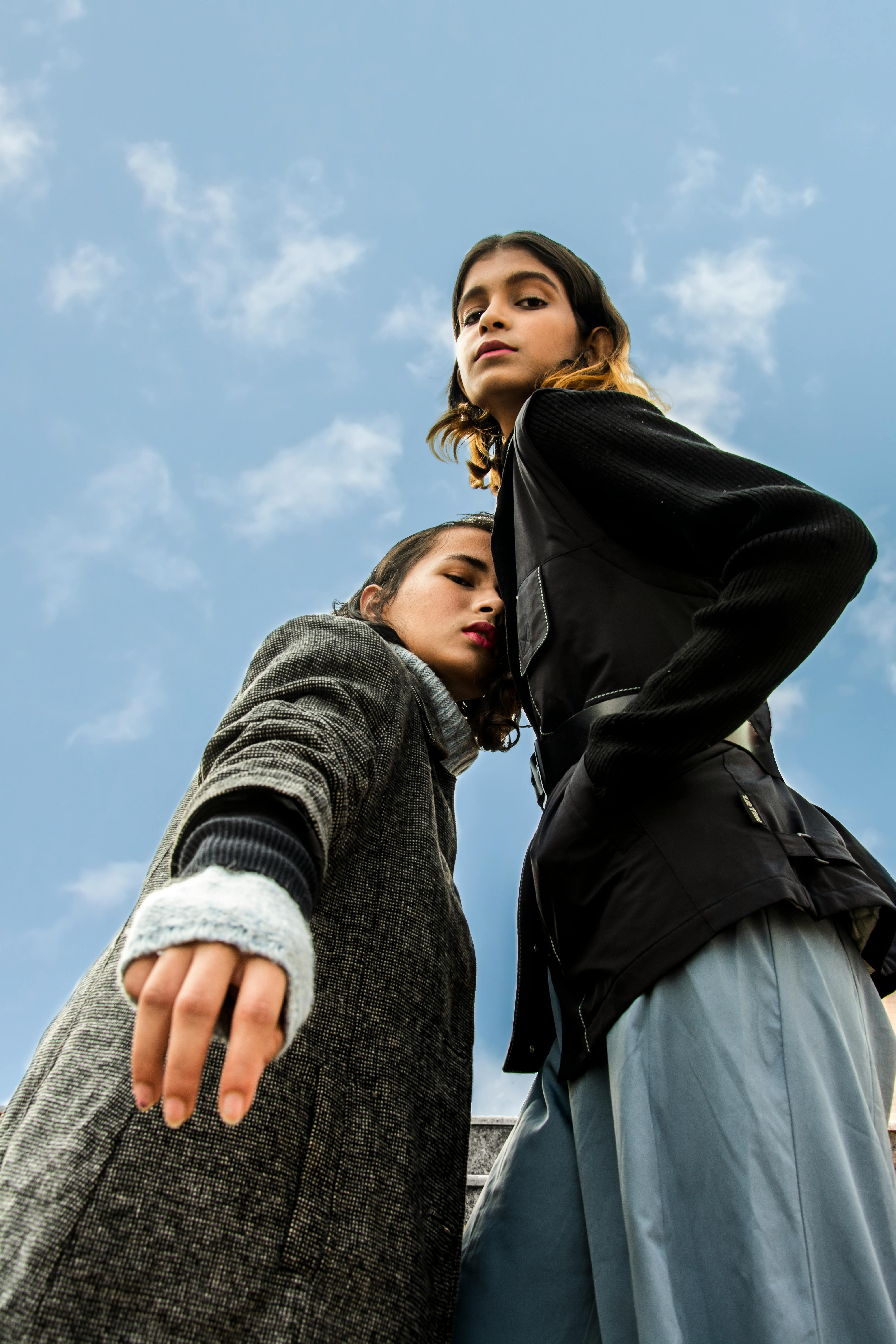
Over the last decade, there has been a gradual but steady rise in homegrown fashion labels, labels that are designed, produced, manufactured, and marketed entirely within the country. This rise can be attributed to a couple of factors, but what’s important to acknowledge here is the initiation of a much needed dialogue on indigenously produced clothing. For eons, the choices of fashion enthusiasts have been indirectly dictated by the ‘cool’ and ‘trending’, which inevitably comprised the biggest names. Even though local brands existed, they weren’t considered a part of the larger mainstream conversation and largely lived under the radar. This is precisely what is beginning to change.
Over the last decade, there has been a gradual but steady rise in homegrown fashion labels, labels that are designed, produced, manufactured, and marketed entirely within the country. This rise can be attributed to a couple of factors, but what’s important to acknowledge here is the initiation of a much needed dialogue on indigenously produced clothing. For eons, the choices of fashion enthusiasts have been indirectly dictated by the ‘cool’ and ‘trending’, which inevitably comprised the biggest names. Even though local brands existed, they weren’t considered a part of the larger mainstream conversation and largely lived under the radar. This is precisely what is beginning to change.
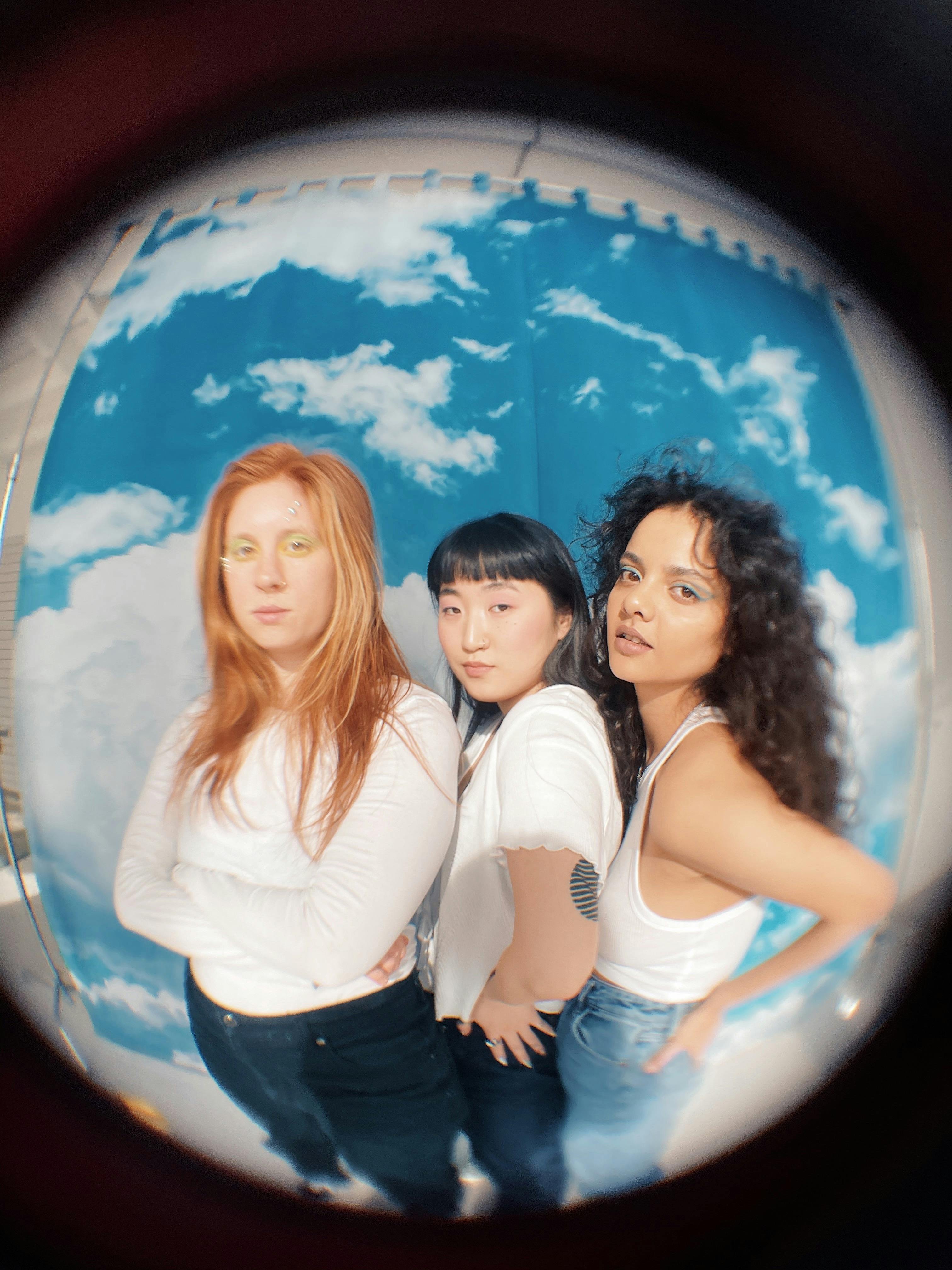
We hope this isn’t a passing fad and the trend continues into the future...
"Over the last decade, there has been a gradual but steady rise in homegrown fashion labels, labels that are designed, produced, manufactured, and marketed entirely within the country. This rise can be attributed to a couple of factors, but what’s important to acknowledge here is the initiation of a much needed dialogue on indigenously produced clothing."
Over the last decade, there has been a gradual but steady rise in homegrown fashion labels, labels that are designed, produced, manufactured, and marketed entirely within the country. This rise can be attributed to a couple of factors, but what’s important to acknowledge here is the initiation of a much needed dialogue on indigenously produced clothing. For eons, the choices of fashion enthusiasts have been indirectly dictated by the ‘cool’ and ‘trending’, which inevitably comprised the biggest names. Even though local brands existed, they weren’t considered a part of the larger mainstream conversation and largely lived under the radar. This is precisely what is beginning to change.
Homegrown labels, with their inimitable designs and aesthetic, are ushering in a new era of fashion - one that is no longer monopolized by a few. This shift in demand has got a lot to do with a larger subconscious deviation from fast fashion to slow fashion. This deviation, in turn, is a direct consequence of a gradual evolution of the concept of ‘conscious consumption’. As the name implies, this concept is built on a foundation of mindfulness and sustainability, allowing consumers to really think about the choices they are making and the impact their choices are having on secondary and tertiary subjects. This discourse is an exhaustive one. Let’s keep it for another day. For now, all that we need to know is that homegrown labels are more often than not, in tandem with the idea of conscious consumption and sustainable choices. With the pause that the pandemic brought about in all our lives, people have been reevaluating their choices and industries are being forced to reevaluate their systems. This has paved the way for homegrown labels to take up space, and rightfully so. The void between local consumption and fashion choices is one that has stayed empty for far too long. With the advent of homegrown names, we are starting to see this void being filled with more and more consumers being vocal for local.
Homegrown labels, with their inimitable designs and aesthetic, are ushering in a new era of fashion - one that is no longer monopolized by a few. This shift in demand has got a lot to do with a larger subconscious deviation from fast fashion to slow fashion. This deviation, in turn, is a direct consequence of a gradual evolution of the concept of ‘conscious consumption’. As the name implies, this concept is built on a foundation of mindfulness and sustainability, allowing consumers to really think about the choices they are making and the impact their choices are having on secondary and tertiary subjects. This discourse is an exhaustive one. Let’s keep it for another day. For now, all that we need to know is that homegrown labels are more often than not, in tandem with the idea of conscious consumption and sustainable choices. With the pause that the pandemic brought about in all our lives, people have been reevaluating their choices and industries are being forced to reevaluate their systems. This has paved the way for homegrown labels to take up space, and rightfully so. The void between local consumption and fashion choices is one that has stayed empty for far too long. With the advent of homegrown names, we are starting to see this void being filled with more and more consumers being vocal for local.
We hope this isn’t a passing fad and the trend continues into the future...
We hope this isn’t a passing fad and the trend continues into the future...
Underrated and undeniably cool?
Underrated?
underrated and undeniably cool?