micro musings
Who Dictates Taste in Fashion?
Who Dictates Taste in Fashion?
Who Dictates Taste in Fashion?
The radical pluralization of taste in fashion has got nothing to do with fashion and everything to do with you

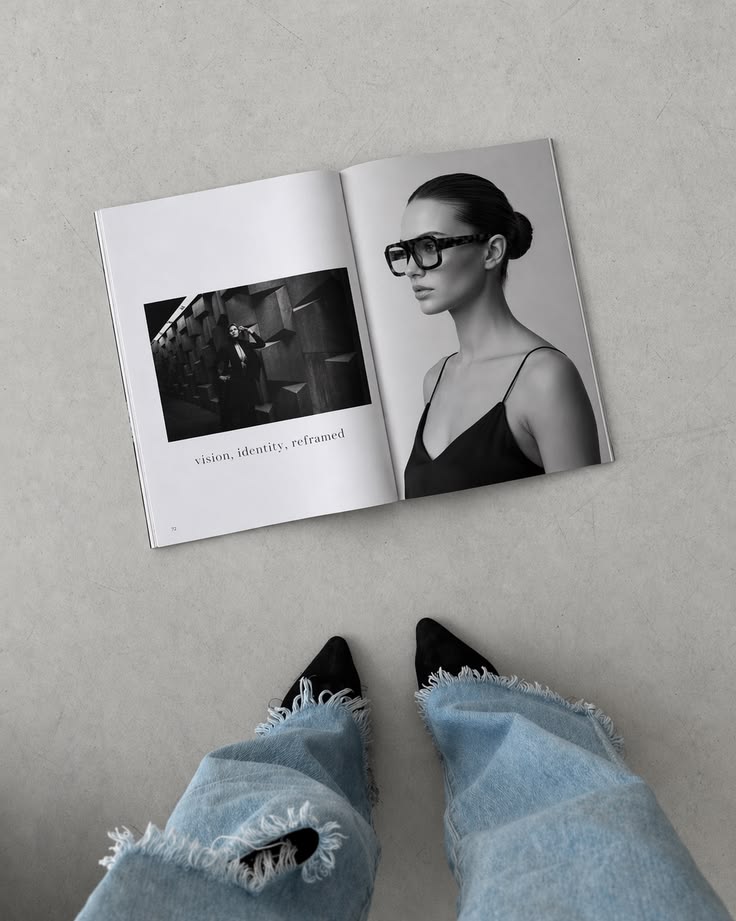
When I was 10 years old, I remember perusing these very particular beauty and fashion magazines that belonged to my mum. If you’re from India, Revlon or Femina probably rings a bell. I obviously didn’t understand much of the content but what I do remember is the overwhelming collage of celebrity pictures supported by relevant “gossip”. The pictures were a mix of editorial and what in those days could be called paparazzi shots but were mostly just well put together shoots of celebrities in between their takes during shooting of a film. My fashion sensibility was pretty much a mélange of what I consumed through these magazines and shows I watched on TV. Then, celebrities would dictate fashion trends and our styles. Now, it’s a different story. Over the past 10 years, there has been a huge cultural shift with the advent of social networks. Yes Zuckerberg, I am totally looking at you. And over the past five years or so, with the advent of AI (this is a whole other topic that I will refrain from getting into for this article, I think that’s best for everyone). Social media has completely skewed our perception of nearabout everything if you really think about it. The algorithm has made us all consume exactly what it wants us to consume. When I was 10, I picked up one of my mum’s magazines and flipped through it because I wanted to. It didn’t necessarily have content I would enjoy or like. I read it anyway. This is how I developed (or at least I hope I did) a nuanced taste and preferences. I liked sequin co-ords and iconic bollywood glam. I hated thin eyebrows. Now, I am force fed the 50 million dollar fantasy bra and uggs. It’s not that I detest them, I just am not sure if I necessarily like them? Is this my taste? Or is this my algorithm pushing what’s profitable towards me to make it my taste? One might argue that the algorithm is shaped by what we consume and yes, I am guilty of doom scrolling through Victoria Secret’s page the days after the show to see how the bra was made and how the angels got ready backstage. But we have to look at this starting from the root. Multi-million dollar conglomerations push out content they want the world to see, investing egregious amounts of money to shape our algorithms. For eg: if I like pretty lingerie, VS is almost always going to be the first thing I see when I open my feed. The algorithm is shaped by what we consume yes, but who is deciding the content that we consume in the first place? It’s easy to say it's our choice but is it?
When I was 10 years old, I remember perusing these very particular beauty and fashion magazines that belonged to my mum. If you’re from India, Revlon or Femina probably rings a bell. I obviously didn’t understand much of the content but what I do remember is the overwhelming collage of celebrity pictures supported by relevant “gossip”. The pictures were a mix of editorial and what in those days could be called paparazzi shots but were mostly just well put together shoots of celebrities in between their takes during shooting of a film. My fashion sensibility was pretty much a mélange of what I consumed through these magazines and shows I watched on TV. Then, celebrities would dictate fashion trends and our styles. Now, it’s a different story. Over the past 10 years, there has been a huge cultural shift with the advent of social networks. Yes Zuckerberg, I am totally looking at you. And over the past five years or so, with the advent of AI (this is a whole other topic that I will refrain from getting into for this article, I think that’s best for everyone). Social media has completely skewed our perception of nearabout everything if you really think about it. The algorithm has made us all consume exactly what it wants us to consume. When I was 10, I picked up one of my mum’s magazines and flipped through it because I wanted to. It didn’t necessarily have content I would enjoy or like. I read it anyway. This is how I developed (or at least I hope I did) a nuanced taste and preferences. I liked sequin co-ords and iconic bollywood glam. I hated thin eyebrows. Now, I am force fed the 50 million dollar fantasy bra and uggs. It’s not that I detest them, I just am not sure if I necessarily like them? Is this my taste? Or is this my algorithm pushing what’s profitable towards me to make it my taste? One might argue that the algorithm is shaped by what we consume and yes, I am guilty of doom scrolling through Victoria Secret’s page the days after the show to see how the bra was made and how the angels got ready backstage. But we have to look at this starting from the root. Multi-million dollar conglomerations push out content they want the world to see, investing egregious amounts of money to shape our algorithms. For eg: if I like pretty lingerie, VS is almost always going to be the first thing I see when I open my feed. The algorithm is shaped by what we consume yes, but who is deciding the content that we consume in the first place? It’s easy to say it's our choice but is it?
Every year during fashion week, what makes headlines is who sat in the front row at XYZ fashion show. I see very little coverage of actual clothes and fashion. This is not to say that fashion magazines aren’t doing their job. It tells you more about what people are consuming. And people want to see if Nicole Kidman sang out loud to Nicole Kidman or if Central Cee sat beside Sabrina Carpenter and had any conversations during the show. Over time, celebrities went from being taste makers to taste observers. Occasionally, A-list celebrities like Hailey Bieber and Kylie Jenner do partake in setting trends but the majority of what one could classify as collective consumed taste in fashion – the batton has long been passed on from celebrities. What’s next? Influencers. Fashion in the early days would be a privilege of the elite upper class. Dresses popularized by them would eventually find their way into the bins of a second hand clothing store. Then came the celebrities and the likes of fashion editors (ahem Anna Wintour ahem). What they said makes sense would….make sense. Florals for spring aren't groundbreaking and fashion enthusiasts blindly followed the mantra. Now, it’s the same machinery, except fashion is everywhere. It isn’t gatekept only to the elite and it isn’t dictated by a single or select few editors. Fashion influencers are the markers of this new era of tastemaking, and sadly what they say is in good taste, is also largely manipulated by the algorithm. It’s an endless cycle. Maya Singers of British Vogue calls this the “radical pluralizing of taste”. This isn’t necessarily a bad thing. Influencers are doing their job. But what’s happening as a consequence is that the real tastemakers of fashion are getting lost in translation. It’s you. You are the tastemaker of your own fashion. Not Kylie Jenner or Anna Wintour. Fashion is and has always been a subjective experience. But so much of this is losing its bearings because people have forgotten what it’s like to question, read and consume outside of the four walls of the algorithm. It’s not criminal to wear what the internet is telling you not to. It’s not criminal to not buy the £2,000 Clio Peppiatt dress for your resort vacation. And it’s certainly not criminal to wear jeans and a t-shirt to fashion week. What we consider good fashion and the hallmark of taste nowadays is nothing but regurgitated content we see on Instagram and Pinterest marketed as “aesthetic” as if to say anything outside of this is distasteful and un-aesthetic. We have to remind ourselves it’s not. Play around with what you have. Fashion is experimental, it should make you feel good and confident and no one celebrity or influencer should be able to dictate what you put on your back. After all this, it begs to question – who is the ultimate dictator of taste? Like I said, it’s you. Figure out what you like, who you truly are and what makes you feel alive. The rest will fall into place. Even if it’s big brown combat boots with a long coat. Actually…except this…
Every year during fashion week, what makes headlines is who sat in the front row at XYZ fashion show. I see very little coverage of actual clothes and fashion. This is not to say that fashion magazines aren’t doing their job. It tells you more about what people are consuming. And people want to see if Nicole Kidman sang out loud to Nicole Kidman or if Central Cee sat beside Sabrina Carpenter and had any conversations during the show. Over time, celebrities went from being taste makers to taste observers. Occasionally, A-list celebrities like Hailey Bieber and Kylie Jenner do partake in setting trends but the majority of what one could classify as collective consumed taste in fashion – the batton has long been passed on from celebrities. What’s next? Influencers. Fashion in the early days would be a privilege of the elite upper class. Dresses popularized by them would eventually find their way into the bins of a second hand clothing store. Then came the celebrities and the likes of fashion editors (ahem Anna Wintour ahem). What they said makes sense would….make sense. Florals for spring aren't groundbreaking and fashion enthusiasts blindly followed the mantra. Now, it’s the same machinery, except fashion is everywhere. It isn’t gatekept only to the elite and it isn’t dictated by a single or select few editors. Fashion influencers are the markers of this new era of tastemaking, and sadly what they say is in good taste, is also largely manipulated by the algorithm. It’s an endless cycle. Maya Singers of British Vogue calls this the “radical pluralizing of taste”. This isn’t necessarily a bad thing. Influencers are doing their job. But what’s happening as a consequence is that the real tastemakers of fashion are getting lost in translation. It’s you. You are the tastemaker of your own fashion. Not Kylie Jenner or Anna Wintour. Fashion is and has always been a subjective experience. But so much of this is losing its bearings because people have forgotten what it’s like to question, read and consume outside of the four walls of the algorithm. It’s not criminal to wear what the internet is telling you not to. It’s not criminal to not buy the £2,000 Clio Peppiatt dress for your resort vacation. And it’s certainly not criminal to wear jeans and a t-shirt to fashion week. What we consider good fashion and the hallmark of taste nowadays is nothing but regurgitated content we see on Instagram and Pinterest marketed as “aesthetic” as if to say anything outside of this is distasteful and un-aesthetic. We have to remind ourselves it’s not. Play around with what you have. Fashion is experimental, it should make you feel good and confident and no one celebrity or influencer should be able to dictate what you put on your back. After all this, it begs to question – who is the ultimate dictator of taste? Like I said, it’s you. Figure out what you like, who you truly are and what makes you feel alive. The rest will fall into place. Even if it’s big brown combat boots with a long coat. Actually…except this…
and at UnderRated, we’re committed to celebrating its roots while spotlighting the emerging voices that continue to shape its future.
and at UnderRated, we’re committed to celebrating its roots while spotlighting the emerging voices that continue to shape its future.
Underrated and undeniably cool?
Underrated?
underrated and undeniably cool?